


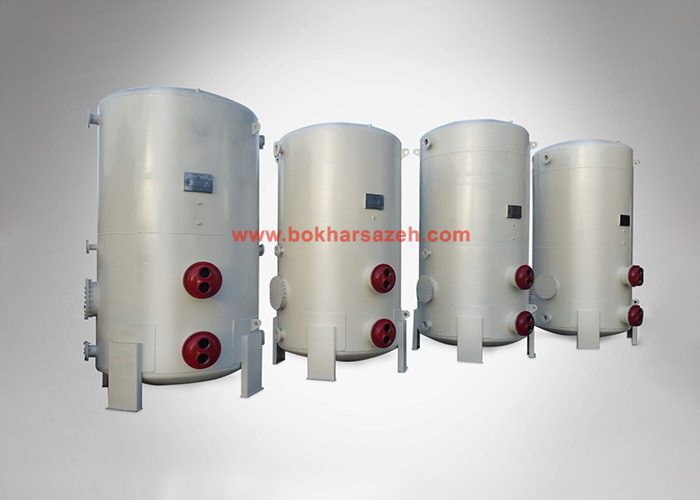
what is Deaerator
Essentially, a deaerator is a device used to remove dissolved oxygen from the feedwater while simultaneously preheating the water before it enters the boiler. Steam boilers and pressurized hot water boilers are widely utilized across various industries, including power plants, food processing plants, and industrial manufacturing facilities.
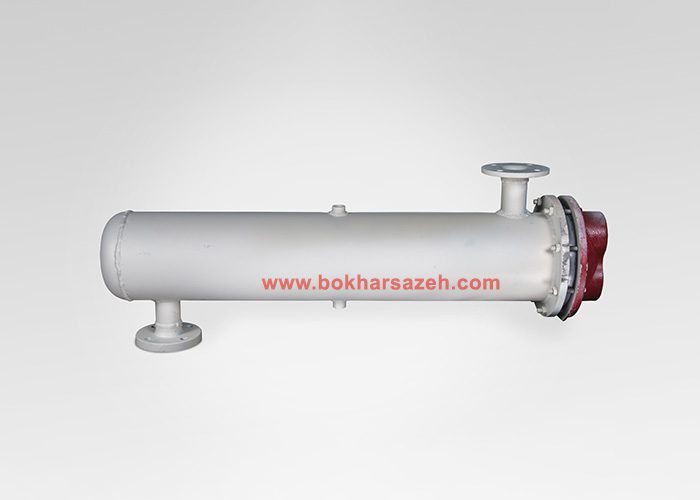
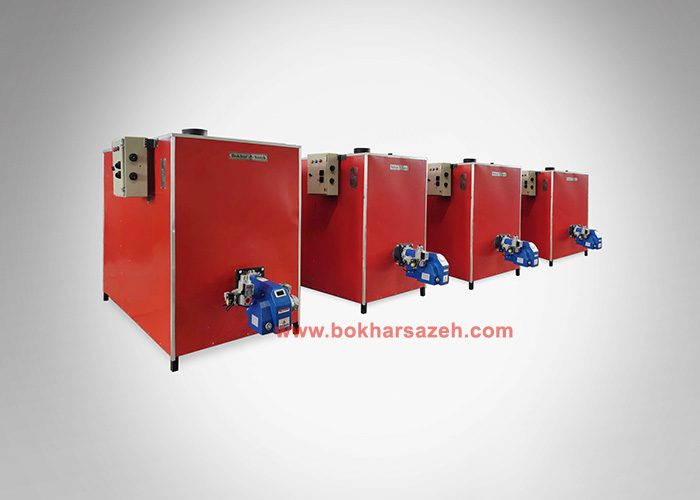
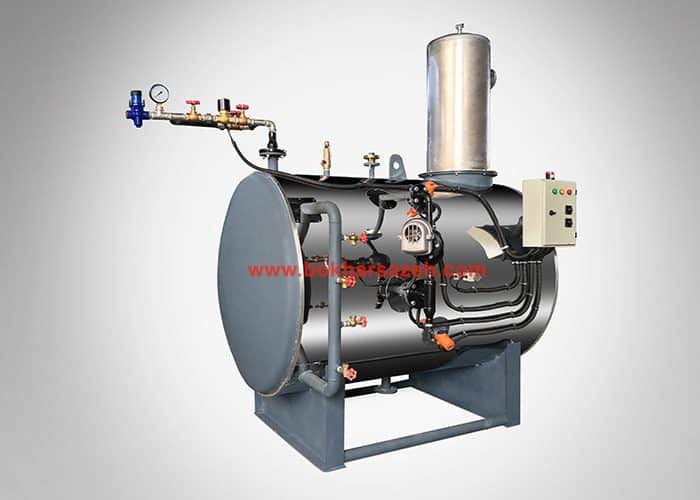
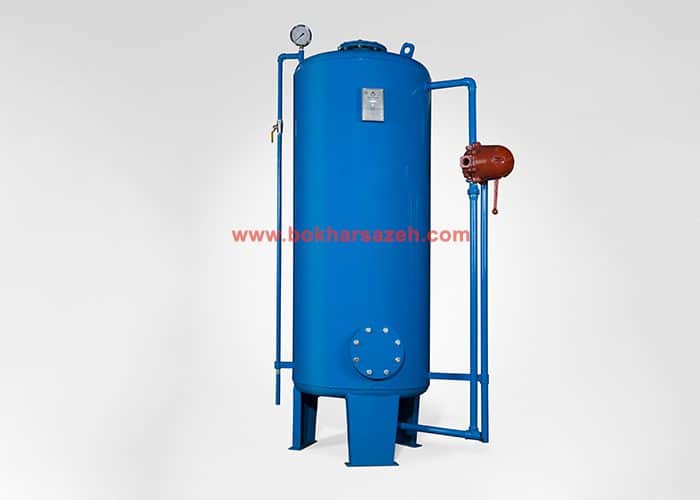
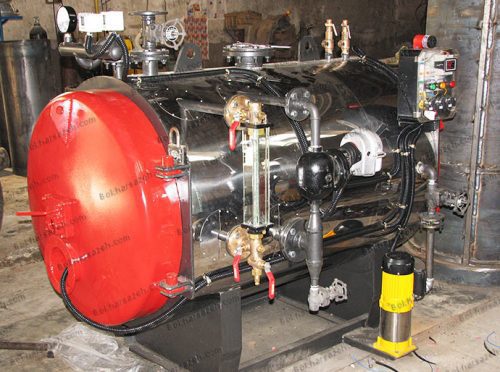
picture of Deaerator
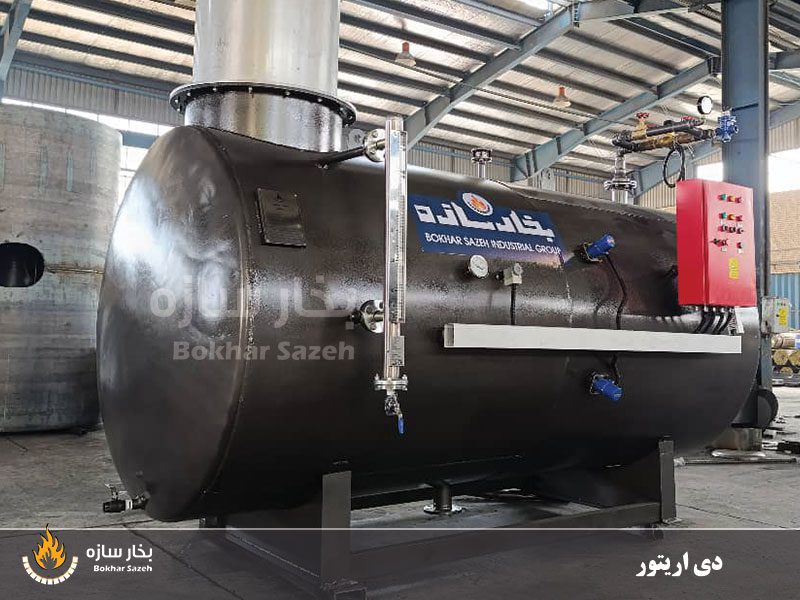
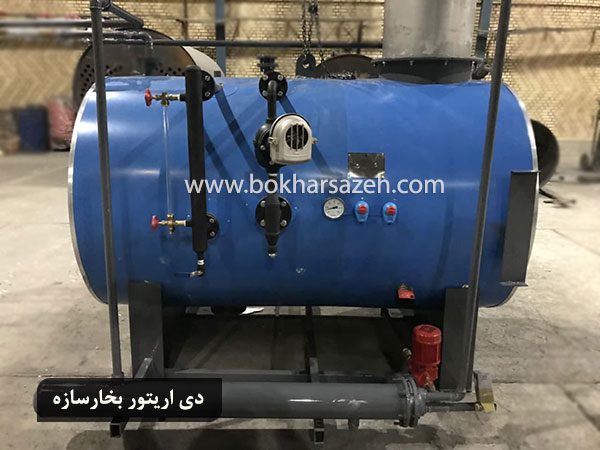
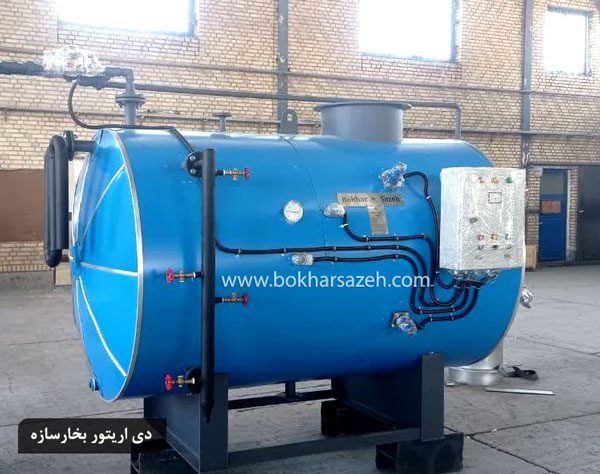
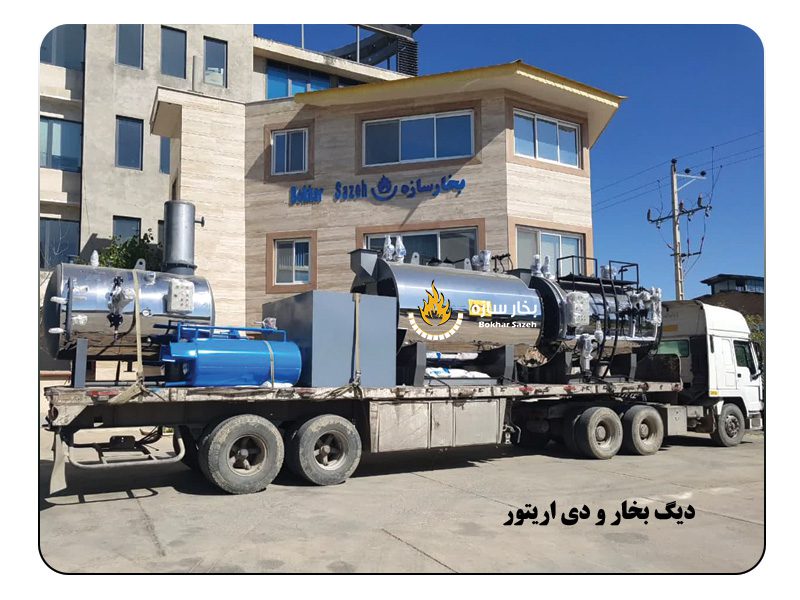
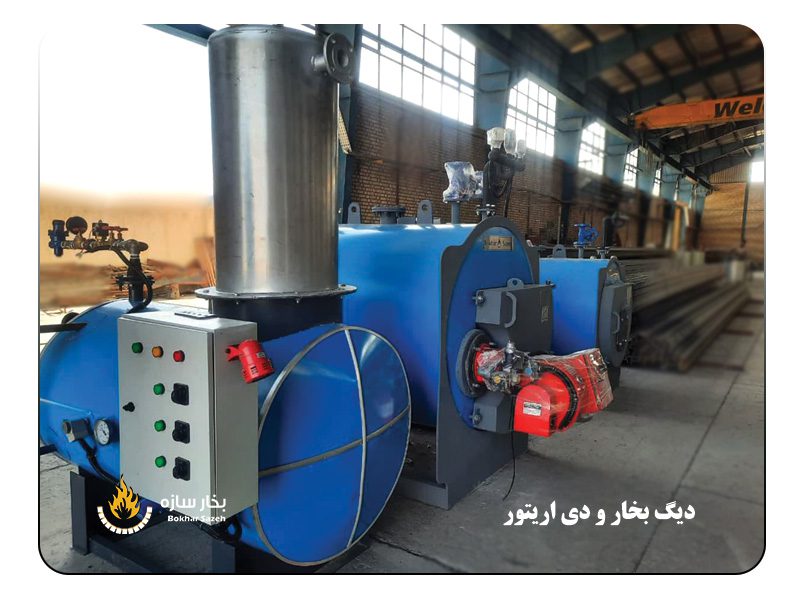
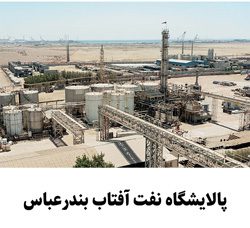
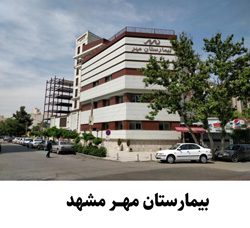
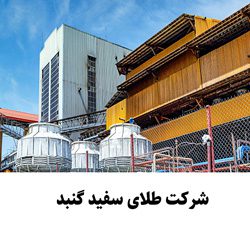




type of Deaerator
Types of Deaerators
Deaerators can generally be divided into two main categories. Various manufacturers produce both vertical and horizontal deaerators, and the design features and construction details may vary from one manufacturer to another.
The two main types are:
- Tray-Type Deaerator
- Spray-Type Deaerator
In both methods, deaeration is achieved by spraying cold feedwater into a steam environment, allowing effective removal of dissolved gases.
Tray-Type Deaerator
In tray-type deaerators, feedwater flows over a series of perforated trays. As the water passes through these trays, it breaks into fine droplets. At the same time, steam rises from below, contacting the water droplets and transferring heat.
This process increases turbulence and ensures efficient removal of dissolved gases such as oxygen and carbon dioxide.
Tray-type deaerators are commonly used in power plants and large industrial steam systems due to their high efficiency and long service life.
Spray-Type Deaerator
In spray-type deaerators, spring-loaded spray nozzles are used to atomize the incoming feedwater.
The nozzles force the water through narrow openings, creating a fine spray of droplets inside the deaerator vessel. These droplets come into direct contact with steam, allowing dissolved gases to separate from the water.
Spray-type deaerators are typically used in smaller industrial systems.
Choosing the Appropriate Deaerator
The selection between tray-type and spray-type deaerators depends on several factors, including system requirements, efficiency, and cost considerations.
For example:
- Tray-type deaerators can have a service life of up to 40 years.
- Spray-type deaerators typically have a service life of around 20 years.
Although tray-type units may cost up to 25% more, they usually offer higher efficiency and longer operational life.
For this reason:
- Tray-type deaerators are commonly used in power plants.
- Spray-type deaerators are used in many other industrial applications.
Operating Principles of Pressurized Deaerators
When a liquid reaches its saturation temperature, the solubility of gases in the liquid approaches zero. To ensure complete removal of dissolved gases, the water must experience high turbulence or boiling conditions.
This turbulence is created in the upper section (deaerator tower) by spraying the feedwater into fine droplets and surrounding them with steam. Steam injection from the bottom of the unit further increases turbulence, allowing the water to release dissolved oxygen more easily.
Applications of Deaerators
A deaerator serves two primary functions in a steam boiler system:
- Removal of dissolved gases from boiler feedwater
- Preheating of feedwater before entering the boiler
Preheating the feedwater significantly improves boiler efficiency and operational stability.
If cold water enters the boiler directly, thermal shock can occur, which may cause serious damage to the boiler. This can lead to:
- Reduced boiler lifespan
- Lower steam generation capacity
- Reduced system efficiency
Deaerator Working Principle in Boiler Systems
In a deaerator, feedwater is sprayed to create a large surface area, which facilitates rapid heat transfer from steam to water droplets and accelerates the removal of dissolved oxygen.
The separated gases are discharged through the vent outlet at the top of the deaerator. These gases exit at a temperature slightly lower than the saturation temperature at the deaerator operating pressure.
After the deaeration process is completed, the treated water flows into the deaerator storage tank, where it is stored before being pumped to the boiler.
Problems Caused by the Absence of a Deaerator
Operating a steam boiler without a deaerator can lead to several serious problems:
- Boiler corrosion
- Reduced boiler efficiency
- Increased boiler blowdown
In practice, reliable boiler operation without a deaerator is extremely difficult and not recommended for industrial steam systems.
Reviews
There are no reviews yet.