
What is a Deaerator? | The Role of Deaerators in Extending Boiler Lifespan
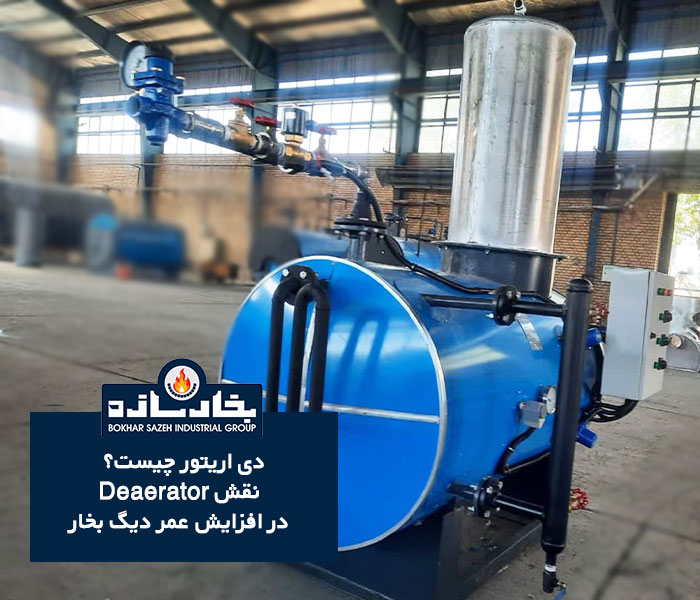
In industrial steam generation systems, feed water quality is a critical factor for optimal performance and equipment longevity. Boiler feed water usually contains dissolved gases like oxygen and carbon dioxide, which can cause severe corrosion in the boiler shell, piping, and other steam system components. To mitigate this issue, a device known as a Deaerator is used. By removing dissolved gases from the water, the deaerator plays a vital role in increasing the boiler’s lifespan and improving overall system efficiency.
What is a Deaerator?
A deaerator is an essential component in a boiler feed water system, specifically designed to remove dissolved gases—primarily oxygen and carbon dioxide—from the water. The presence of these gases can lead to the corrosion of metal components in the steam system, causing serious damage over time.
This device is typically installed in the feed water line, upstream of the boiler feed pumps. It uses steam to increase the water temperature, effectively stripping away dissolved gases. Consequently, the water entering the boiler is almost entirely free of oxygen and other corrosive gases. Installing a deaerator is standard practice in industries such as food processing, petrochemicals, power plants, hospitals, and any manufacturing facility utilizing industrial steam boilers.
Why is Removing Oxygen from Boiler Water Important?
Dissolved oxygen is a primary driver of corrosion in steam systems. When oxygen enters the boiler or steam distribution lines, it reacts with the metal, leading to oxygen corrosion (often manifesting as pitting).
These small pits on the metal surface can deepen over time, potentially leading to pipe or boiler shell failure. If left unaddressed, this process results in leaks, decreased system efficiency, and catastrophic boiler failure. Removing oxygen is therefore a crucial maintenance measure.
How Does a Deaerator Work?
The operation of a deaerator is based on the principle that gas solubility decreases as water temperature rises. When the water temperature is increased, dissolved gases like oxygen and carbon dioxide are liberated.
Inside the deaerator, incoming water is passed through spray nozzles or specialized trays. Steam makes direct contact with the water, heating it to near saturation temperature. Under these conditions, dissolved gases are released and vented from the top of the device. The deaerated water is stored in the deaerator tank and is subsequently sent to the boiler by feed pumps, ensuring high-quality feed water and minimizing corrosion risks.
Types of Deaerators
Deaerators are generally categorized by their design:
- Tray-Type Deaerator: Water cascades over a series of internal trays, maximizing contact with steam and effectively stripping the gases.
- Spray-Type Deaerator: Water enters the chamber through specialized nozzles as a spray. The resulting fine water droplets increase the surface area in contact with steam, accelerating gas removal.
Choosing the right type depends on factors such as boiler capacity, operating pressure, and specific operational requirements.
Benefits of Using a Deaerator
- Reduced Corrosion: Protects boiler shells and piping.
- Extended Equipment Life: Increases the overall service life of the steam system.
- Lower Maintenance Costs: Fewer repairs and replacements.
- Improved Efficiency: Optimizes steam system performance.
- Reduced Chemical Usage: Decreases the need for excessive water treatment chemicals.
- Fuel Savings: Deaerated water is typically hotter, requiring less energy to convert to steam.
Industries & Installation
Common Industries: Food & Beverage, Petrochemical, Textile, Power Generation, Hospitals.
Typical Installation Location: After the condensate tank and before the feed pump.
Conclusion
A deaerator is a vital component in steam generation systems, responsible for removing harmful dissolved gases like oxygen and carbon dioxide. Its use significantly reduces equipment corrosion, extends boiler lifespan, and enhances overall steam system efficiency. For any facility relying on industrial boilers, selecting and installing an appropriate deaerator is key to ensuring safe, economical, and sustainable operations.