
Boiler Maintenance and Preservation
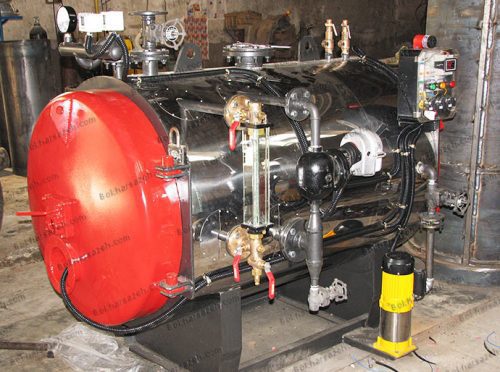
When a steam boiler is out of service, it must be maintained in the best possible condition to prevent corrosion of the tubes and the shell. The preservation methods for the steam generation area and the combustion chamber differ and are selected based on environmental conditions and the duration of the shutdown.
Methods of Boiler Preservation:
- Dry Method
- Wet Method
The Dry Method is preferred if the boiler is to be out of service for an extended period or if there is a risk of ambient temperatures dropping below 0°C. The Wet Method is suitable for short-term shutdowns, such as weekends.
1. Dry Preservation Method
To ensure the boiler is completely dry, heat and warm compressed air are used. All boiler surfaces must be kept above the dew point to prevent condensation.
- After drying, seal all air inlets, outlets, and manholes.
- Place corrosion-resistant trays containing desiccant materials inside the boiler drums. Recommended amounts:
- Activated Alumina or Silica Gel: 1280 grams per cubic meter of boiler volume.
- Check the boiler every two months to ensure it remains moisture-free.
- The boiler should be cleaned and descaled before starting this process.
2. Wet Preservation Method
- Clean and descale the boiler if necessary.
- Fill the boiler using one of the following procedures:
- Boilers without Superheaters: Fill to the normal level with deaerated water and protective chemicals.
- Boilers with Drainable Superheaters: Follow the same procedure as above.
- Boilers with Non-drainable Superheaters: Fill the superheater section with distillate water and preservatives. Then, fill the main boiler to the normal level with deaerated water and protective chemicals.
- Use a circulation pump to ensure the chemicals are uniformly distributed.
- Test the chemical concentration weekly and replenish as needed.
Combustion Chamber Maintenance
Post-combustion residues (deposits) contain organic and inorganic compounds that are typically hygroscopic (moisture-absorbing) and acidic. When the boiler is offline, these residues absorb humidity from the air, increasing their acidic potency and leading to severe corrosion of the tubes and shell.
Cleaning Procedures:
- Clean the surfaces as soon as the boiler is shut down; delays make the deposits much harder to remove.
- Use compressed air and appropriate mechanical tools for cleaning.
- After cleaning, treat the gas passes and deposit-prone surfaces with an alkaline powder (such as Magnesium Hydrate) to neutralize any remaining acids.
Boiler Troubleshooting Guide
1. Water Chemistry Issues (Off-spec concentrations):
- Insufficient chemical dosing.
- Malfunctioning injection system.
- Water treatment plant inefficiency.
- Inadequate blowdown frequency.
2. Causes of Boiler Foaming:
- High concentration of dissolved solids (TDS).
- Excessive alkalinity.
- Entry of foaming agents or saponifiable oils into the feed water.
- Fluctuating fuel consumption or erratic heat application.
3. Severe Fluctuations in the Water Gauge Glass:
- This is usually a sign that the boiler is foaming or “priming.”
4. Failure to Feed Water (Boiler Not Taking Water):
- Pump switch is “Off.”
- Feed water tank is empty.
- Inlet valves are closed or defective.
- Clogged water strainers.
- Electrical connection issues or blown pump fuses.
- Burner overload relay tripped.
- Incorrect pump motor rotation.
- Faulty water level controller or stuck float.
- (For large boilers) The valve under the water level controller is closed.
5. Burner Failure to Start:
- Loose electrical connections or blown fuses.
- Faulty burner contactor.
- Photoelectric cell (flame scanner) exposed to external light.
- Burner door not securely closed.
- If the fan/motor runs but no flame forms: Check air pressure switches, damper microswitches, or fuel supply levels.
Disclaimer: While these methods provide a general guide for boiler maintenance, it is highly recommended to consult with Bokhar Sazeh specialists and certified technicians to prevent hazards and further damage.